
Multimodal Transportation
Sea+rail, sea+road, air+road and rail+road combinations.
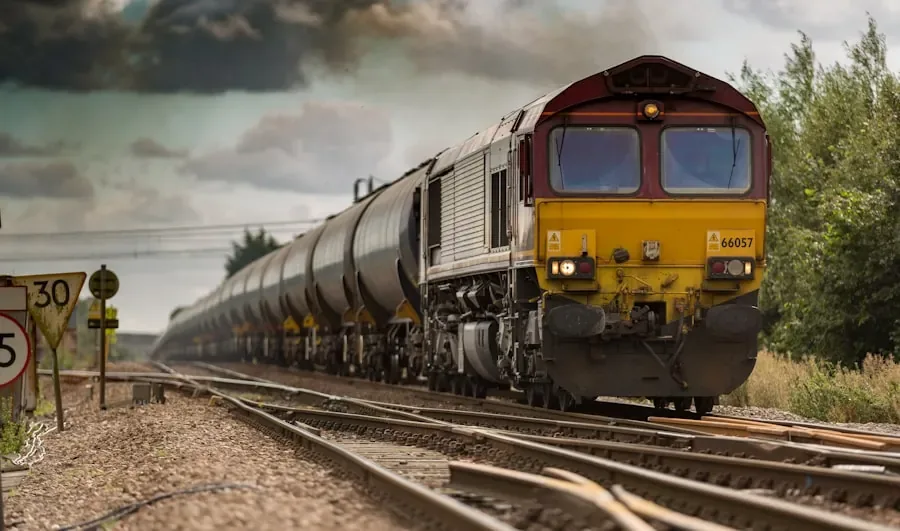
Multimodal transportation means your cargo moves on more than one mode — sea, rail, road and air — under one plan and one point of contact, instead of separate bookings you coordinate between carriers yourself.
We design the combination around the cargo, the route and the delivery requirement, then coordinate every handover between legs — port, railhead, border crossing, final mile.
What you delegate is defined per shipment, from a single added leg to a full door-to-door scope. The scope is agreed before anything moves, not assumed.
Modes, joined on purpose.
A multimodal movement is designed as one plan — not booked as separate legs and hoped together.
Seaport to inland rail
Containers arriving by sea continue on rail. The port-to-rail transfer and reloading are planned into the route, not arranged after arrival.
Seaport to road
Where the destination sits beyond the rail network, ocean arrivals connect to cross-border trucking under the same plan.
Airport to final mile
Time-critical air legs connect to road delivery at the destination end.
Rail to road handover
Rail corridors connect to road legs, with reloading at connection points planned into the route.
One accountable team
Route design, coordination and execution come from one team, so every handover has an owner.
Who runs which leg.
- Designed as one route.
- Modes, transfer points and border crossings are selected together, with formalities and reloading planned before the cargo moves.
- Coordinated at every handover.
- Each transfer point — port, border, railhead — has an owner. Pickup, booking and execution stay connected from origin to destination.
- Through partners where it matters.
- Destination clearance, DDP and final-mile delivery run through global partners, coordinated by the same team.
- Transiting China to a third country?
- That is a separate specialist solution — see Multimodal Transport & International Transit below.
From question to connection.
- 01
Understand the cargo and the destination.
Cargo properties, true origin, final destination and delivery priority come first.
- 02
Design the combination.
Modes, transfer points and border crossings are selected as one route.
- 03
Coordinate the transit.
Formalities, reloading and handovers at each connection point are planned and coordinated.
- 04
Execute to the final handover.
The legs run as one movement, to the agreed delivery point.
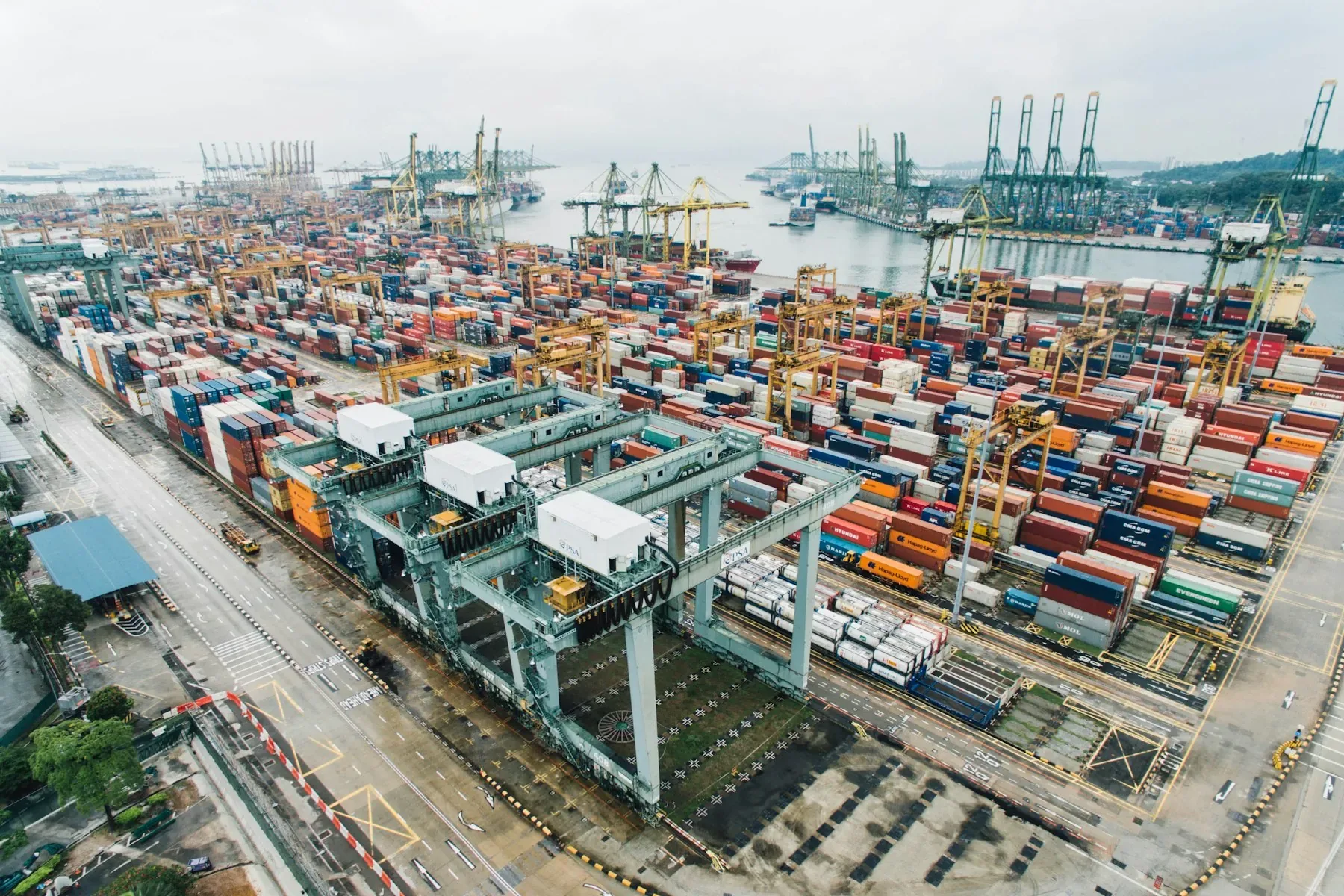
Combined movements we have run.
Tell us what
needs to move.
Cargo. Route. Ready date. A specialist team plans the rest.